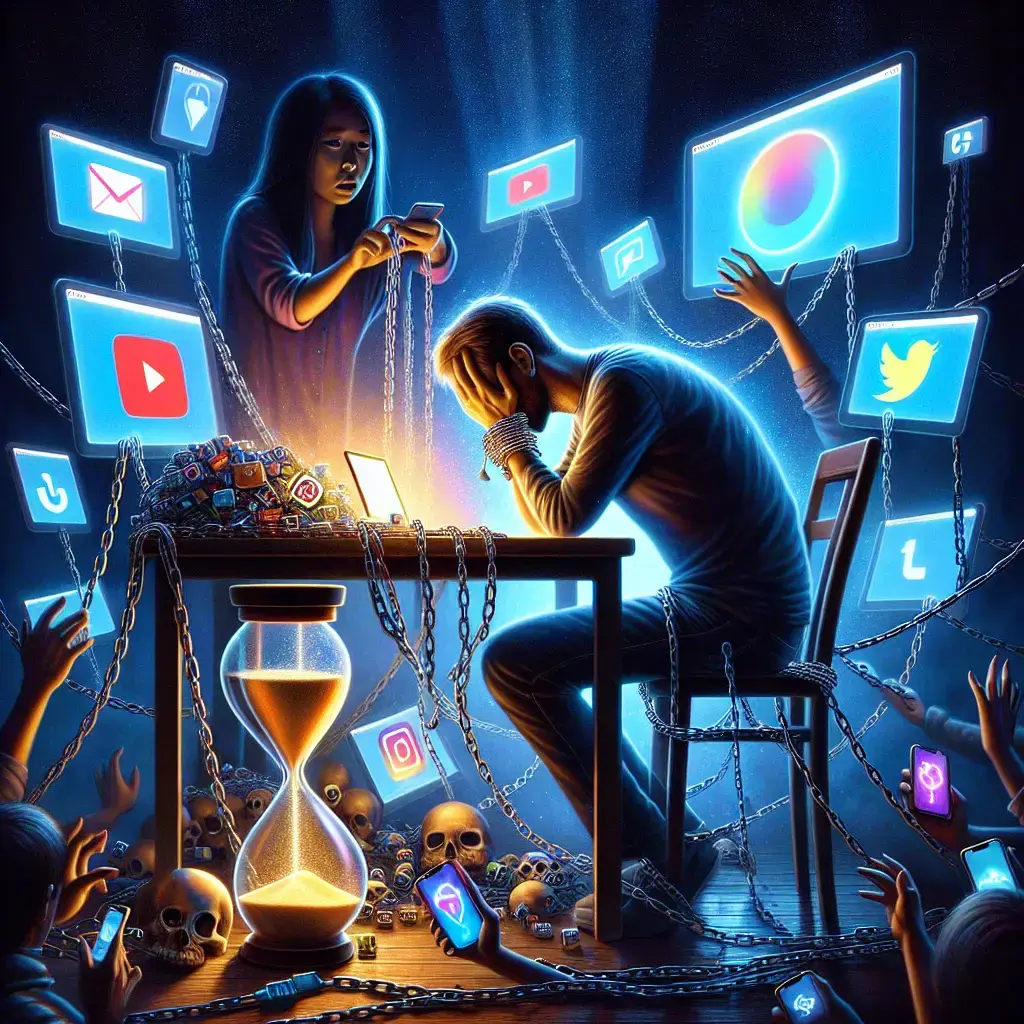
Unraveling the Connection Between Social Media and Mental Health
In today's digital age, the pervasive influence of social media is undeniable, shaping how we communicate, interact, and perceive the world around us. However, as our reliance on these platforms intensifies, the impact of social media addiction on mental health has become a pressing concern. Understanding this intricate relationship is essential, as social media usage can profoundly affect emotional health and mental well-being.
The Impact of Social Media Addiction on Mental Health
In an era where social media dominates our daily lives, understanding its implications on mental health is crucial. The pervasive nature of social media platforms has not only altered how we interact but also how we perceive ourselves and our emotional health. This section explores the complex interplay between social media addiction and mental health, integrating recent developments and insights.
The Dual Nature of Social Media Influence
Social media's potential to both enhance and detract from our mental well-being cannot be overstated. While it provides opportunities for connection and self-expression, it also presents risks of digital addiction and social media dependency. This dual nature is evident as we examine various psychological effects associated with social media usage.
One striking example comes from the controversy over Google's pro-AI "Dear Sydney" ad, which was pulled following backlash for depersonalizing communication (source). This incident highlights the tension between technology and human interaction, a key aspect of social media influence that can exacerbate feelings of isolation and inadequacy.
Social Media Dependency and Mental Health Effects
The link between social media and depression is well-documented. Constant exposure to curated online personas can lead to negative self-comparisons, fostering feelings of inadequacy and low self-esteem. Studies indicate that the more individuals engage with social media, the higher the likelihood of experiencing depressive symptoms (source).
Furthermore, anxiety and social media are often intertwined. The endless scroll of information contributes to heightened stress levels, as users feel pressured to keep up with ever-evolving trends and news. This was exemplified by the viral popularity of the Swype vape phone, which attempts to replace traditional phones with a device combining vaping and texting capabilities (source). Such innovations reflect societal attempts to balance digital addiction with healthier habits, though their efficacy remains debated.
Government Interventions and Mental Health Awareness
As concerns about social media's impact on mental health grow, discussions about regulatory measures have gained traction. One such proposal involves government warning labels on social media platforms, akin to those on cigarette packages, to inform users—especially younger ones—of the potential screen time effects on their developing brains (source). This highlights a broader shift towards mental health awareness and proactive measures to mitigate negative outcomes.
Social media detox has emerged as a popular strategy among mental health professionals advocating for balance in online habits. By reducing screen time and fostering healthier social media habits, individuals can better manage their emotional health and mental well-being.
Case Studies: Real-World Implications
Recent news has illustrated the tangible consequences of digital addiction on mental health. For instance, the tragic case of Matthew Perry's death allegedly linked to ketamine distribution by Jasveen Sangha underscores the dangers of substance abuse intertwined with online behaviors (source). This situation underscores how digital addiction can manifest in severe real-world implications, necessitating comprehensive mental health support systems.
Additionally, the connection between social media interaction and infidelity has surfaced as a topic of concern. Research suggests that excessive online engagement can lead to emotional distancing in relationships, increasing the risk of infidelity (source). Understanding these dynamics is vital for addressing the emotional toll of social media dependency.
Navigating the Digital Landscape: Strategies for Improvement
While challenges abound, there are actionable strategies individuals can adopt to navigate the digital landscape more effectively. Implementing regular social media detox periods can help reset emotional health by minimizing exposure to stress-inducing content. Additionally, fostering meaningful offline connections is crucial in counterbalancing the isolating effects of online behavior.
Mental health support should be accessible and tailored to address specific needs arising from digital addiction. Encouraging open dialogues about mental well-being can further destigmatize seeking help and promote resilience against the psychological effects of social media influence.
Conclusion: Navigating Social Media's Impact on Mental Health
As we delve deeper into the intersection of technology and mental health, it becomes increasingly clear that understanding and addressing the impact of social media addiction is imperative. By promoting mental health awareness and implementing balanced social media habits, individuals can harness the positive aspects of these platforms while mitigating potential harms.
The journey towards improved mental well-being requires collective efforts from individuals, communities, and policymakers. Through increased understanding and proactive measures, we can address the emotional toll of social media dependency and prioritize mental well-being in today's digital age.
We invite you to reflect on your own social media habits and consider sharing your experiences or insights in the comments below. By engaging in this conversation, we can collectively explore strategies to harness the benefits of social media while safeguarding our mental health.
Together, through understanding and action, we can balance the demands of our digital lives with the need for mental well-being.
Warm regards,
Anthony Whitaker