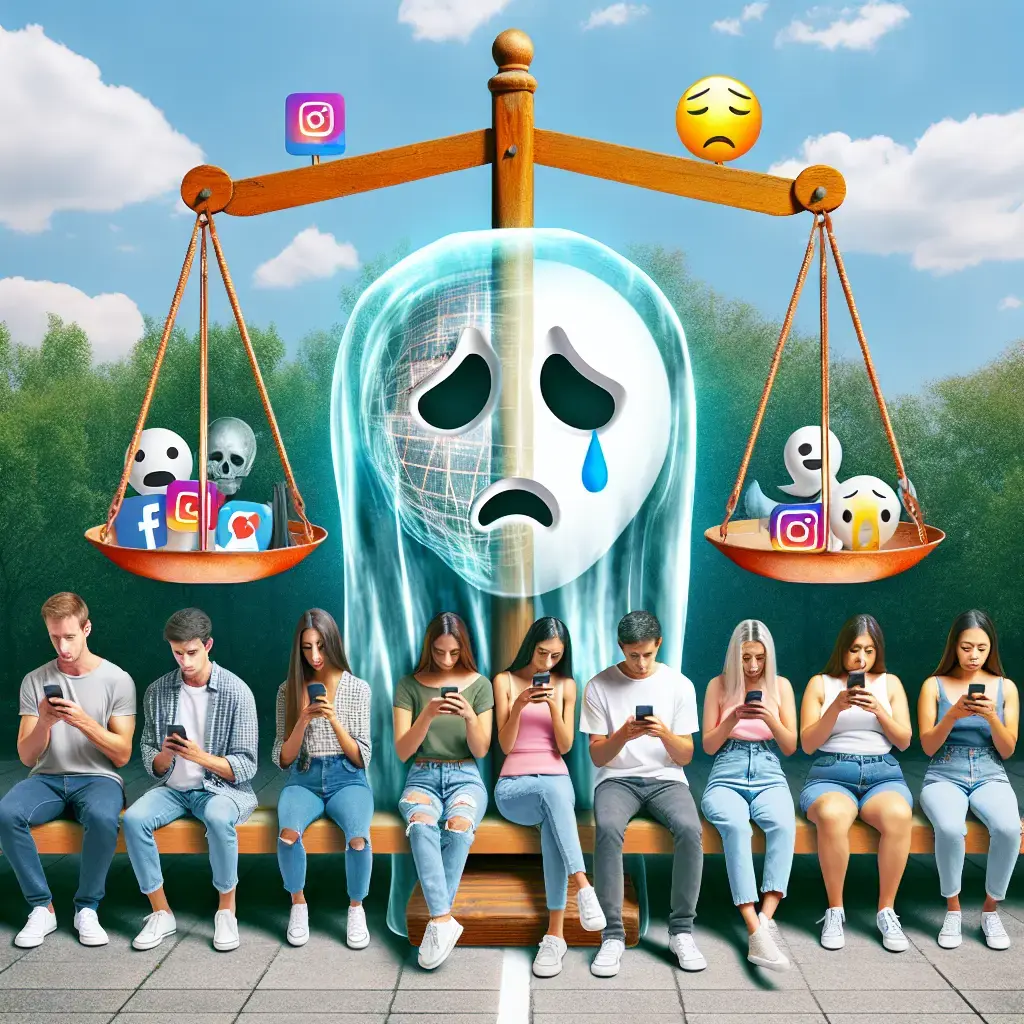
Exploring the Impact of Social Media on Relationships
In today's digitally driven world, social media has become an integral part of our daily lives, with millions logging in to connect, share, and interact online. However, this digital addiction is reshaping the fabric of our interpersonal relationships in profound ways. As we become increasingly tethered to our screens, the effects of social media are undeniable, influencing everything from communication skills to mental health.
The Paradox of Connectivity
The allure of social media lies in its promise of connectivity, yet it often leads to a paradoxical loneliness. This dependency on digital interactions can create a communication breakdown, blurring the lines between online and offline relationships. While technology and relationships can coexist harmoniously, the constant barrage of notifications and virtual interactions can strain relationship dynamics, leading to social media and relationship problems.
Broad Spectrum of Social Media Influence
The impact of social media addiction is not merely a personal issue; it affects the broader spectrum of human interaction. As people become more engrossed in their digital worlds, their ability to engage meaningfully face-to-face diminishes, altering the nature of social media's influence on both personal and professional relationships. This shift has sparked discussions about balancing virtual engagements and real-world connections, emphasizing the need for mindful social media use.
Navigating Social Media and Communication Skills
Navigating the complex interplay between social media and communication skills is crucial for maintaining healthy relationships. The effects of social media reach beyond mere distraction, challenging traditional forms of interaction and contributing to a sense of isolation. By understanding the nuances of social media's impact on interpersonal relationships, individuals can better manage their digital habits and foster stronger connections.
As we delve deeper into these dynamics, it's essential to explore how social media dependency can be mitigated to preserve the essence of genuine human connection. Let's examine the strategies that can help bridge the gap between our online and offline worlds.
The Influence of Social Media Addiction on Interpersonal Relationships
In the fast-paced digital age, social media addiction is a growing concern that impacts interpersonal relationships in profound ways. This pervasive issue shapes relationship dynamics and communication skills, often leading to both personal and societal challenges. How can individuals balance their digital lives with meaningful real-world connections?
Understanding Social Media Addiction
Social media addiction manifests when individuals spend excessive amounts of time on platforms like Facebook, Instagram, and TikTok, often at the expense of face-to-face interactions. This digital addiction can lead to a communication breakdown and exacerbate feelings of loneliness and isolation as users become more engrossed in their online personas. A notable example is the growing trend among Generation Alpha, who risk becoming the first generation to face the full brunt of social media dependency according to BBC.
Social Media and Relationship Dynamics
The effects of social media on interpersonal relationships are multifaceted. On one hand, social media promises connectivity and instant communication, yet it often blurs the lines between online and offline relationships. For instance, a survey in Ontario revealed worsening mental health among youth, attributed partly to excessive social media use. This highlights the paradox of social media influence: while it connects, it also isolates.
Social media and relationship problems arise when virtual interactions overshadow real-world engagements. The constant barrage of notifications can strain relationships, causing partners to feel neglected or undervalued. As noted by Olga Fleming, CEO of Marina Maher Communications, the key to overcoming these challenges lies in balancing virtual and real-world connections as detailed by Ragan.
Mental Health and Social Media
The link between mental health and social media is increasingly evident, with studies showing that excessive use can lead to anxiety, depression, and loneliness. The "jarring" results from Ontario's youth survey underscore this trend as reported by Global News. Moreover, a survey by Global News revealed that more than half of middle and high school students experience significant psychological distress, a figure that has doubled over the past decade.
Censorship issues in digital spaces further complicate the relationship between mental health and social media as highlighted by The New York Times. These challenges highlight the need for responsible social media use to mitigate its negative impact on mental health.
Social Media Impact on Communication Skills
Social media's influence extends beyond mental health; it also affects communication skills. As people become accustomed to brief, informal interactions online, their ability to engage in meaningful face-to-face conversations diminishes. This trend is evident in schools where smartphones are being banned to encourage more direct communication among students according to LA Times.
Navigating Online vs Offline Relationships
To address social media dependency and its impact on interpersonal relationships, individuals must consciously navigate their online versus offline worlds. Here are some strategies to consider:
Set Boundaries: Establish specific times for social media use to prevent it from encroaching on personal interactions.
Prioritize Face-to-Face Interactions: Make an effort to engage in real-world conversations and activities, which can strengthen bonds and improve communication skills.
Be Mindful of Content Consumption: Critically assess the content consumed on social media platforms to avoid falling into echo chambers that reinforce negative behaviors or emotions.
Seek Support: Engage in discussions or therapy to address any underlying issues related to social media addiction and its effects on relationships.
The Broader Spectrum of Social Media Influence
The broader impact of social media addiction is not limited to personal relationships; it extends to professional environments as well. The corporate world is increasingly aware of the potential pitfalls associated with digital addiction. For instance, small businesses are encouraged to make purpose-driven choices that foster genuine connections within their communities as discussed in Forbes.
In Alberta, concerns have been raised about privacy and control over personal health information as private organizations manage recovery patients' data through digital platforms like My Recovery Plan reported by CBC. This underscores the importance of informed consent and control in digital interactions.
Bridging the Gap Between Technology and Relationships
Technology and relationships can coexist harmoniously if individuals actively work to bridge the gap between their online and offline lives. This involves acknowledging the limitations of digital interactions and striving for genuine human connection.
As we navigate this complex interplay between technology and interpersonal relationships, it's crucial to understand the nuances of social media impact. By fostering awareness and adopting mindful digital habits, individuals can mitigate the adverse effects of social media addiction and preserve the essence of genuine human interaction.
Conclusion
In navigating the digital age, the influence of social media on interpersonal relationships cannot be overlooked. The pervasive nature of social media addiction affects communication, mental health, and personal connections in significant ways. Here are the critical takeaways from our discussion:
Social Media Addiction: Excessive use of platforms like Facebook and TikTok often leads to reduced face-to-face interactions, resulting in loneliness and isolation.
Relationship Dynamics: While social media offers connectivity, it can paradoxically lead to isolation and relationship strain. Balancing online and offline interactions is crucial.
Mental Health Implications: There is a clear link between social media usage and mental health issues such as anxiety and depression. Responsible use is vital to mitigate these impacts.
Communication Skills: The prevalence of brief online interactions is diminishing our ability to engage in meaningful conversations, underscoring the need for improved communication habits.
Navigating Online vs Offline Worlds: Setting boundaries, prioritizing real-world interactions, mindful content consumption, and seeking support can help manage social media dependency.
The broader implications of social media addiction extend beyond personal spheres into professional environments, necessitating a mindful approach to digital interactions. As individuals, it’s imperative to actively work towards bridging the gap between technology and relationships, fostering genuine human connections amidst the digital noise.
Are you ready to take control of your digital life and foster more meaningful connections? I encourage you to reflect on your own experiences with social media and consider the strategies discussed here. Share your thoughts or stories in the comments—your insights could be invaluable to others navigating similar challenges.
Let's collectively strive for a balance that allows technology to enhance rather than hinder our interpersonal relationships.
Author: Anthony Whitaker