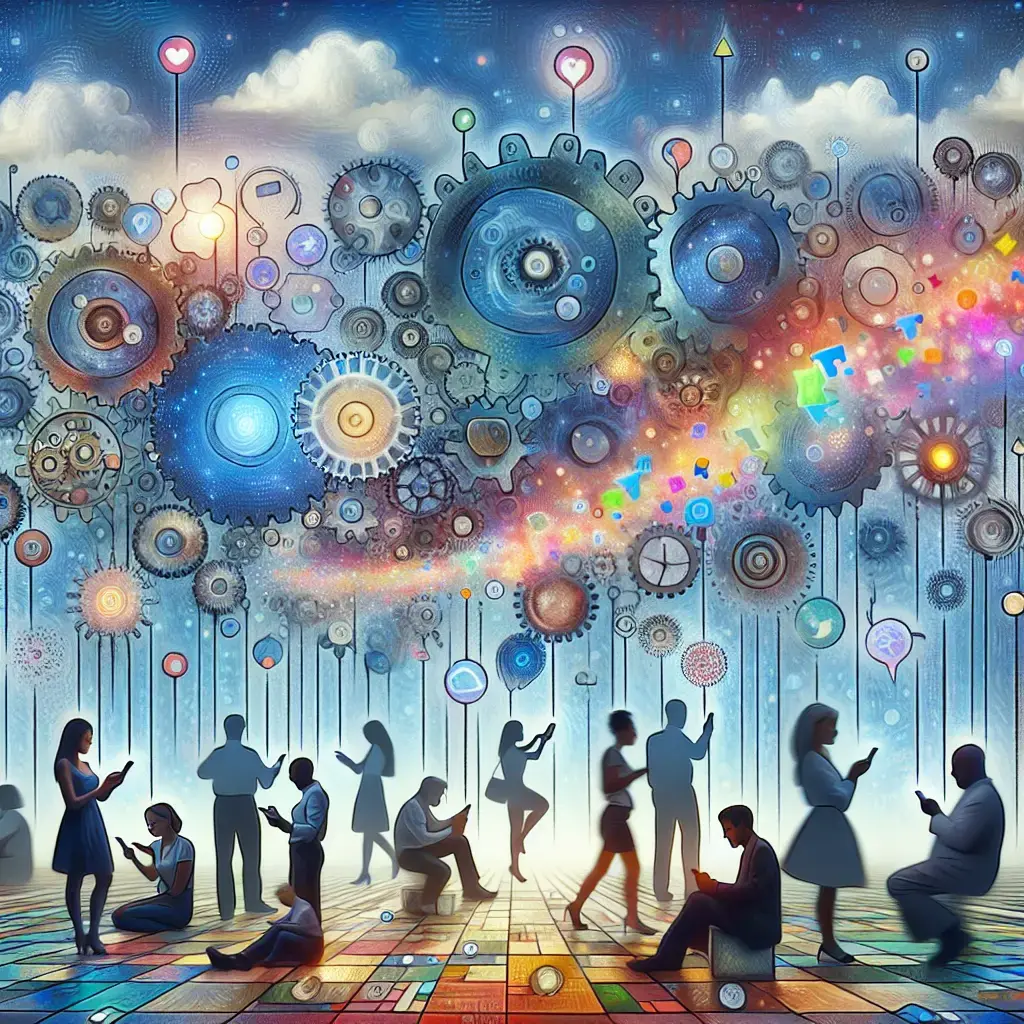
The Growing Influence of Social Media Algorithms
In today's hyper-connected world, social media has become an integral part of daily life, fundamentally transforming how we communicate, share, and consume information. At the heart of this digital ecosystem lie social media algorithms—powerful tools designed to curate content and enhance user experience. However, these algorithms are not without their downsides. A growing body of evidence suggests that they play a significant role in fostering addiction to social media, impacting how users interact with platforms and contributing to a phenomenon known as social media addiction.
Exploring Algorithmic Influence
The addictive nature of these platforms can often be attributed to algorithm-driven addiction, where social media engagement is meticulously tailored to maximize user interaction. This often leads to increased social media dependency, as users find themselves drawn into endless cycles of content consumption. The psychological effects of social media algorithms are profound, manipulating users’ behavior and altering their social media usage patterns through algorithmic influence. These addictive algorithms are strategically designed to keep users hooked, often without their conscious awareness.
Moreover, the role of algorithms in social media extends beyond mere engagement, touching upon significant aspects of digital addiction. Algorithmic manipulation subtly influences user behavior, often exacerbating social media's mental health effects, making it crucial to understand the broader implications. As we delve deeper into this topic, it's essential to explore the impact of algorithms on addiction and how they shape our interactions with digital spaces.
The Role of Social Media Algorithms in Fostering Addiction
In the ever-evolving landscape of digital communication, social media algorithms have emerged as pivotal components shaping user experience and engagement. While designed to enhance user interaction and satisfaction, they have inadvertently contributed to a significant rise in social media addiction. This section delves into the multifaceted role of social media algorithms in fostering addiction, exploring recent developments and updates in this domain.
The Mechanics of Algorithm-Driven Addiction
At the core of social media platforms lies a sophisticated web of algorithms designed to personalize content and maximize user engagement. These algorithms assess user behavior, preferences, and interactions to curate content that keeps users coming back for more. This tailored content delivery is central to algorithm-driven addiction, where users find themselves trapped in a loop of perpetual engagement, often without conscious awareness of the manipulation at play.
Recent studies highlight how addictive algorithms strategically extend users' screen time by presenting an unending stream of personalized content. For instance, platforms like Instagram and TikTok employ algorithms that prioritize content based on user interaction patterns, increasing social media dependency by exploiting psychological triggers such as the fear of missing out (FOMO) and instant gratification.
Algorithmic Influence on User Behavior and Mental Health
Social media addiction is not merely about increased screen time; it also encompasses significant psychological effects. Algorithmic influence subtly manipulates user behavior, often exacerbating mental health issues such as anxiety and depression. The constant exposure to curated content can distort reality, leading to negative self-comparison and reduced self-esteem.
The impact of algorithms on mental health is further compounded by their role in amplifying polarizing content. A recent case that sparked widespread debate involved Google's controversial "Dear Sydney" ad, which faced backlash for taking the "human" out of "human communication." Such instances underscore how algorithmic manipulation can influence public perception and mental well-being.
The Social Media Dependency Cycle
The addictive nature of social media platforms is akin to that of substance dependence, where users develop a compulsive need to engage with the platform despite adverse consequences. This phenomenon is evident in rising social media usage patterns where users report difficulty disconnecting from their devices.
A novel approach to addressing digital addiction has emerged with the introduction of products like the Swype vape phone, which combines a mobile device with a vape pen. While such innovations aim to reduce smartphone dependency by offering alternative forms of engagement, they also raise questions about replacing one form of addiction with another.
Addressing Algorithmic Manipulation and Digital Addiction
The pervasive influence of social media algorithms necessitates comprehensive strategies to mitigate their addictive potential. One proposal gaining traction involves implementing government warning labels on social media platforms, similar to those on tobacco products, to alert users to potential mental health risks. Such measures aim to increase awareness and encourage responsible usage among younger audiences.
Furthermore, understanding the broader implications of algorithm-driven addiction is crucial in developing effective interventions. By analyzing how algorithms shape user interactions and influence behavior, stakeholders can design platforms that prioritize user well-being over engagement metrics.
Real-World Examples and Implications
To illustrate the far-reaching effects of algorithmic influence on addiction, consider the case of Jasveen Sangha, labeled as Hollywood's 'Ketamine Queen.' Her involvement in distributing ketamine highlights the link between digital engagement and real-world consequences. The indictment suggests that Sangha's activities were facilitated by her substantial online presence, underscoring the potential for algorithms to enable harmful behavior.
Similarly, recent research suggests a correlation between social media interaction and infidelity, with algorithms playing a key role in connecting individuals beyond their immediate circles. This example demonstrates how algorithmic manipulation can transcend digital boundaries, influencing personal relationships and societal norms.
Conclusion: Navigating the Complexities of Social Media Algorithms
In conclusion, the role of social media algorithms in fostering addiction is a multifaceted issue that demands our attention and understanding. Here are the key points discussed:
- Algorithmic Personalization: Social media algorithms tailor content to maximize user engagement, inadvertently leading to addictive behaviors.
- Psychological Impact: The influence of algorithms extends beyond screen time, affecting mental health through manipulation of user behavior and exposure to polarizing content.
- Dependency Cycle: Users often find themselves in a loop of compulsive engagement, drawing parallels to substance addiction.
- Intervention Strategies: Proposals such as government warning labels on platforms highlight the need for informed strategies to mitigate the risks associated with digital addiction.
- Real-World Consequences: Cases like Jasveen Sangha's underline the potential for algorithms to facilitate harmful behaviors and influence personal relationships.
As we continue to explore the profound impact of social media algorithms, it's essential to prioritize our mental well-being and foster a healthier relationship with technology. By acknowledging these influences, we can work towards solutions that balance engagement with personal well-being.
I encourage you to reflect on your own interactions with social media. How have these platforms influenced your behavior or mental health? Share your experiences and insights in the comments below, and let's continue this important conversation.
Together, we can redefine our digital landscape for a more mindful and balanced future.
Author:
Anthony Whitaker